The Facts on Lower Back Pain:
LOWER BACK PAIN 101
Simply put, if you feel a dull ache or pain in your lumbar region following daily activities, you may have lower back pain.
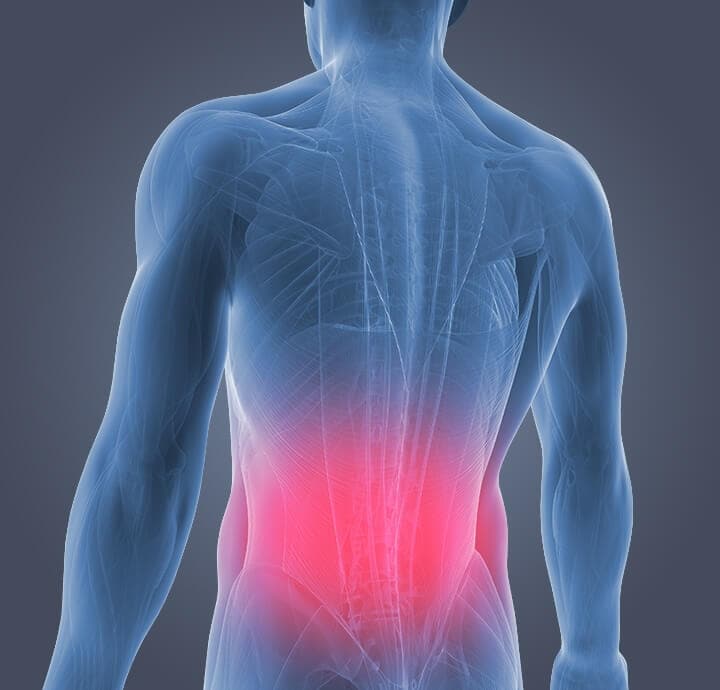
Lower back pain is one of the most common pain problems in the US today and you may experience it at some point in your lifetime. For some, it can be a recurrent, chronic problem. And for many lower back pain sufferers, it’s an obstacle that keeps you from being your best. What might surprise you is that lower back pain may be caused by being on your feet for long periods of time.
WHAT CAUSES LOWER BACK PAIN?
Lower back pain may be due to structural issues in the lower back including disc degeneration, disc alignment issues or nerve impingement. It is important to see your doctor to get a diagnosis and get a treatment plan.
However, your lower back pain may be due to being on your feet for long periods of time, being overweight, slouching (in chairs or while standing), quick and straining movements (like lifting too-heavy objects), and even improperly cushioned shoes.
If you walk or run without properly supported feet, you may be stressing and straining your lower back. Impact can travel up your legs to your lumbar region where muscles supporting the back can get aggravated, causing you pain.
Shop Products for Lower Back Pain
-

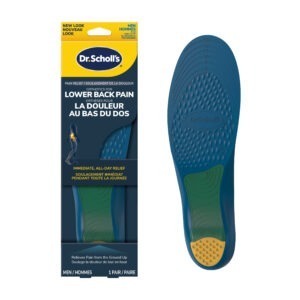
Orthotics For Lower Back Pain
Immediate, all-day lower back pain relief -
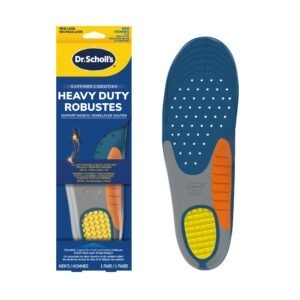
Heavy Duty Support Insoles
Relief of foot & leg fatigue and lower back pain for men over 200 lbs -
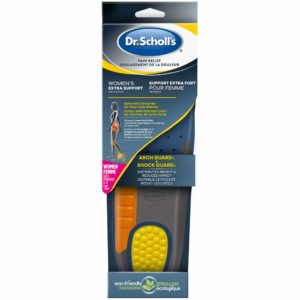
Extra Support Orthotics for Women
Lower back pain relief all-day, every day for plus-size women -
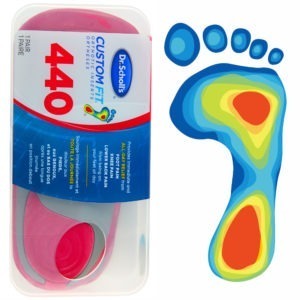
Custom Fit® Orthotics
5-in-1 solution for immediate, all-day relief of 5 lower body pains -
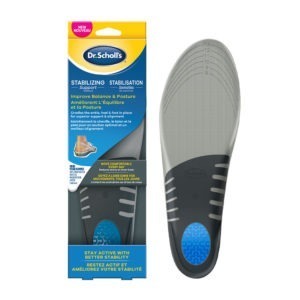
Stabilizing Support Insoles
Improve balance & posture so you can move more easily throughout the day
DON’T LET LOWER BACK PAIN SLOW YOU DOWN
For some with lower back pain, relief may only come with medical attention. Especially if the pain won’t go away. For many, however, there are some things that you can do at home to feel better. For example:
- Use insoles or inserts that provide a combination of shock absorption, cushioning and support for your feet
- Maintain a healthy weight and strengthen your back and leg muscles
- Wear shoes that fit properly and provide adequate support
- Improve the strength of your stomach muscles (abs). They do a great deal of work to help support the back and when weak they can increase your chance of experiencing lower back pain.
Not a medical diagnosis. For information purposes only. If you have diabetes, poor blood circulation, or fragile skin, or symptoms are severe or persist, consult your podiatrist or physician before using products.